
Blog
IF you like to think outside the box...subscribe below to the singingletter to read the articles as soon as they come out of the oven.
Aprender música con cerebros prestados
En una entrevista, la clarinetista Christine Carter cuenta:
“En mi formación me enseñaron a evitar errores. Quizás la versión más común sea esta: tocar algo perfectamente diez veces, cometer un error… y sentir que eso borra todo el trabajo. Entonces empezás de cero y repetís las diez sin equivocarte.”
Si bien conozco actitudes similares, aquellas de intentar acumular repeticiones sin cometer errores, tuve la suerte de escuchar una y otra vez de unos de mis maestros en Buenos Aires, Andrés Aciar, la siguiente máxima:…
Unshame the mistake: the biology of over-criticism
Why does it matter? On stage, in the rehearsal room, and especially when practicing alone, every musician is their own teacher, their own guide. The inner voice that guides you as you practice is a direct result of how we and our teachers and other guides frame and...
The Highly Functional Musician: When Music Performs in Spite of What We Feel
Why this matters Because musicians need a compass that cannot be bought. The dissociation between mind and body is one of the quietest and most costly phenomena in musical training. It does not make noise. It can go without giving obvious signals for a long time. And...
Flow isn’t magic
Physiology, intention, perception and body self-organization as drivers of good times on stage. Why does this matter? Because Flow transforms the path into a goal and allows simultaneity of events in our body to enhance precision and expression. Singers and...
Bridges of vulnerability
And why doubting cannot be a luxury for the privileged.Vulnerability in singing or instrument class. For what? Irrefutable truths My son, 8 years old, didn't want to do his homework today. Contrary to other days, despite his lack of desire, he began to do them,...

Mental clarity in your practices
5 factors to keep in mind to exercise less and learn more.Last Thursday I gave the first webinar. I planted a tree, had a child and haven't written a book yet, but I did give a webinar. I am a beginner in online education. I can talk about non-stop musical...
Body Asymmetry in Musicians: why it matters and how to work with it
Body asymmetry in musicians is much more common than we usually think. Singers and instrumentalists live with emotional, structural and instrument-derived asymmetries, often without noticing how these patterns influence balance, breathing, coordination and sound.This...
Musical precision dwells in the creative brain
Every concert, every performance is a spontaneous act.Sufficient stability. Enough flexibility. A game with gravity and acoustics.Every time you go on stage, you recreate your sound.You do not present a written book or a finished recording.It is a living body that...
Cornelius Reid: When Singing Organizes the Body
Two paths towards functional voice integration Why this matters? Because singing efficiency and expression emerge only when the nervous system receives the right sensory cues — whether through movement or sound. Because knowing how the voice self‑organizes...
The movement that reveals the music, if your reflexes allow it.
Nervous system and protective movements in music Mario Stefano Pietrodarchi, bandoneon player, not only "plays" the bandoneon.He arches his spine, pulling his head back.And the opposite: he flexes his spine and shrinks.He lifts one knee.He keeps one leg extended in...
Welcome!
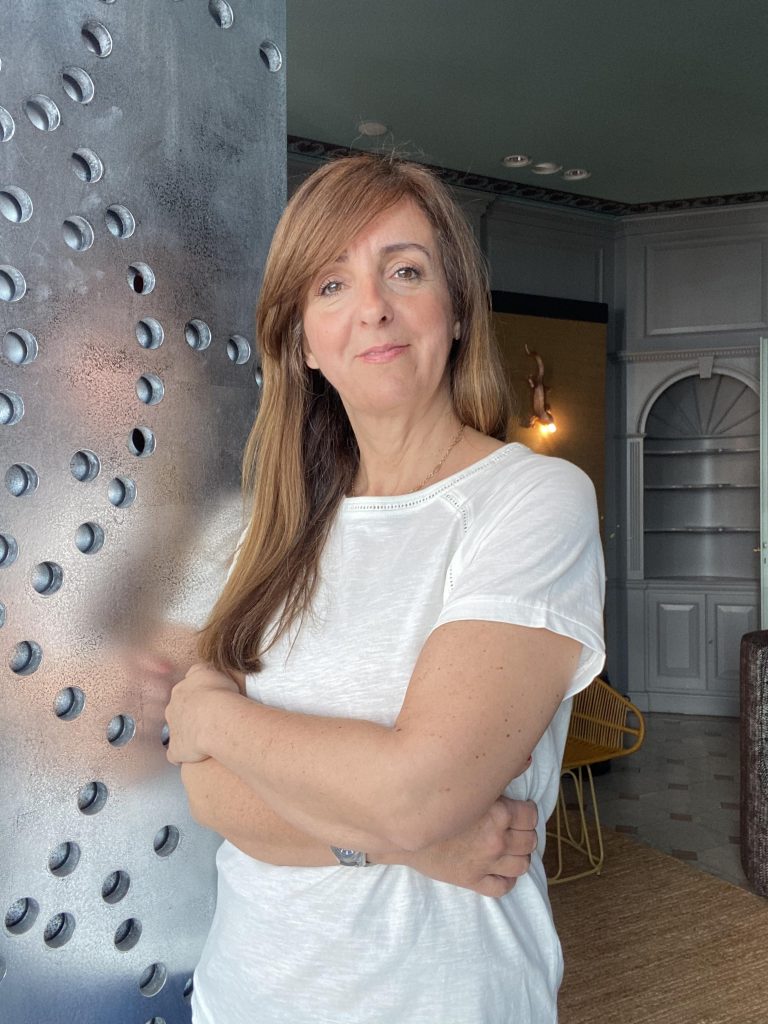
I am Gabriela Labanda, singer, vocal pedagogue, singing voice therapist and trauma-sensitive voice professional.
In my teaching practice I integrate the key aspects of developing vocal resilience and genuine musical precision.
Thank you for your visit!